Padel: Why This Tennis/Squash Hybrid is the World's Fastest-Growing Sport

The Game You've Never Heard Of, But Everyone Is Playing
If you live in Spain, Sweden, or Argentina, Padel (pronounced "Pah-DEL") is already the second most popular sport. But it is currently exploding across the United States, the UK, the Middle East, and Asia. It's the ultimate social and competitive sport, perfectly designed for today's athlete.
But what exactly is it? It's often described as a hybrid of tennis and squash, but that's like calling a Formula 1 car a fast sedan. Padel is entirely its own exhilarating experience.
Padel 101: The Core Differences from Tennis
Padel is easy to pick up because its scoring system is identical to tennis (15, 30, 40, Game, Deuce, Set). However, the differences in the court and equipment fundamentally change the strategy and physicality of the game.
| Feature | Padel (Pah-DEL) | Traditional Tennis |
| Court Size | Small. 20 \times 10 meters. About ⅓ the size of a tennis court. | Large, allowing for powerful baseline play. |
| Walls/Enclosure | Yes. Glass back and side walls are in play (like squash). | No walls. Ball must stay within the white lines. |
| Serve | Underarm. The ball must be hit at or below waist level. | Overhand, emphasizing power and spin. |
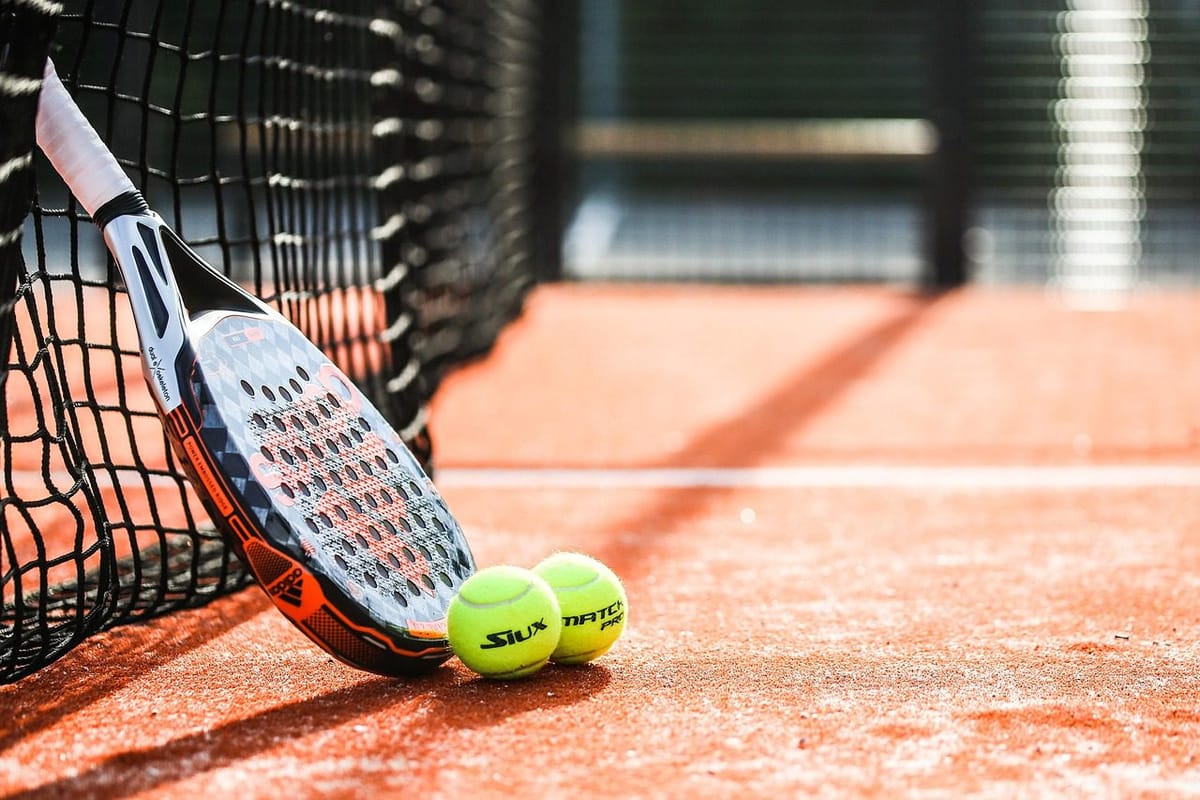
| Racket | Solid, Stringless Paddle. Made of composite materials with a foam core and holes for aerodynamics. | Strung racket. |
| Players | Always Doubles. Designed for social, cooperative play. | Singles or Doubles. |
| Strategy | Placement and Angles. Focus is on quick reflexes, positioning, and using the walls strategically to extend the point. | Power and Court Coverage. |
How to Play Padel: The 3 Rules That Change Everything
Getting on a Padel court for the first time is simple. You'll be having a competitive rally almost instantly. Here are the three key rules you need to know to transition from tennis or pickleball:
1. The Underarm Serve (No Power, All Placement)
Forget the 100 mph cannon serve. In Padel, the server must bounce the ball and strike it below the waist. The serve must land diagonally into the opponent’s service box, and, crucially, it cannot hit the wire mesh fence after it bounces—only the glass wall. This rule immediately puts all four players at the net, making the rally tactical from the very first shot.
2. Using the Walls (The Squash Factor)
This is the rule that defines Padel. After the ball bounces once on your side of the court, you can allow it to hit the glass back wall or the side glass. You can then strike the ball after it has rebounded off the glass, allowing you to recover from powerful shots and dramatically extending the rally length.
The Golden Rule: You can never hit the ball directly into your opponent's side walls—it must bounce on the floor first.
3. The Double-Bounce Rule (Keep It Moving)
Like tennis, you must return the ball before it bounces twice on your side of the court. Because the court is smaller and the walls are in play, rallies are faster, require lightning-fast positioning, and put a premium on volleying skills.
Why Is Padel the World's Fastest-Growing Sport?
The growth of Padel is driven by more than just fun. It's a perfect storm of social and commercial factors:
Accessibility: The underhand serve and the use of walls reduce the learning curve. Beginners can enjoy a rally quickly, making it inclusive for mixed groups.
Social Doubles: Always playing in a group of four fosters community and makes organizing games easy.
Infrastructure Boom: Due to its popularity, clubs are converting unprofitable tennis courts into multiple Padel courts (three Padel courts fit in one tennis court). This is driving massive, local investment globally.
Ready to Play?
Padel is a game of angles, quick hands, and strategy—not just pure strength. It is the perfect sport for modern athletes looking for competitive fun.
Stop watching the fringe—it’s time to start playing the future.